

How to Become a Clinical Medical Assistant (CMA): Step-by-Step Guide
Introduction:
We understand the desire to build a meaningful career in healthcare and be directly involved in patient care. However, when considering how to become a Clinical Medical Assistant, many of us feel overwhelmed by long education timelines, waitlists, and high costs.
The good news is there is a faster path into hands-on clinical work. With proper training, you can begin assisting in a healthcare setting by taking vital signs, performing blood draws, and supporting physicians in as little as three months through an accredited training program.
This guide covers everything about entering this profession, including job responsibilities, training requirements, timelines, salary expectations, and tips for choosing the right program for clinical support staff. It provides a clear and practical pathway into the healthcare field.
Clinical Medical Assistant Daily Duties & Responsibilities
A Clinical Medical Assistant (CMA) is a trained healthcare professional who provides direct patient support and medical services in outpatient settings under the supervision of physicians, nurse practitioners, and physician assistants.
This role goes beyond administrative tasks. CMAs work in medical environments, handling responsibilities such as preparing exam rooms, taking vital signs, performing phlebotomy, administering injections, conducting EKG tests, and maintaining accurate EHR documentation. They help ensure smooth workflow while connecting patients with providers.
CMAs can work in various healthcare facilities, including primary clinics, urgent care centers, and specialty practices like cardiology, dermatology, and pediatrics.
The position is hands-on, fast-paced, and focused on delivering consistent, high-quality patient services.
Want a detailed breakdown of daily tasks? Read our guide on Clinical Medical Assistant duties and responsibilities.
Why Choose a Career as a Clinical Medical Assistant?
We choose a career as a Clinical Medical Assistant for its strong demand, fast entry into the health industry, and the opportunity to make a meaningful impact through patient support, without needing a four-year degree.
The field employs over 811,000 professionals and continues to grow rapidly, driven by an aging population and expanding outpatient services, creating steady demand for skilled staff.
One major advantage is the easy entry path. With a high school diploma and the right training program, we can begin working in direct patient services without prior experience or long education timelines.
Most importantly, the work is rewarding. From identifying health concerns to supporting patients and assisting physicians, we contribute directly to improved medical outcomes. With strong demand, a clear path, and impactful daily responsibilities, starting as a Clinical Medical Assistant remains a practical and fulfilling way to launch a career in the health industry.
Step-by-Step Process to Become a Certified Medical Assistant
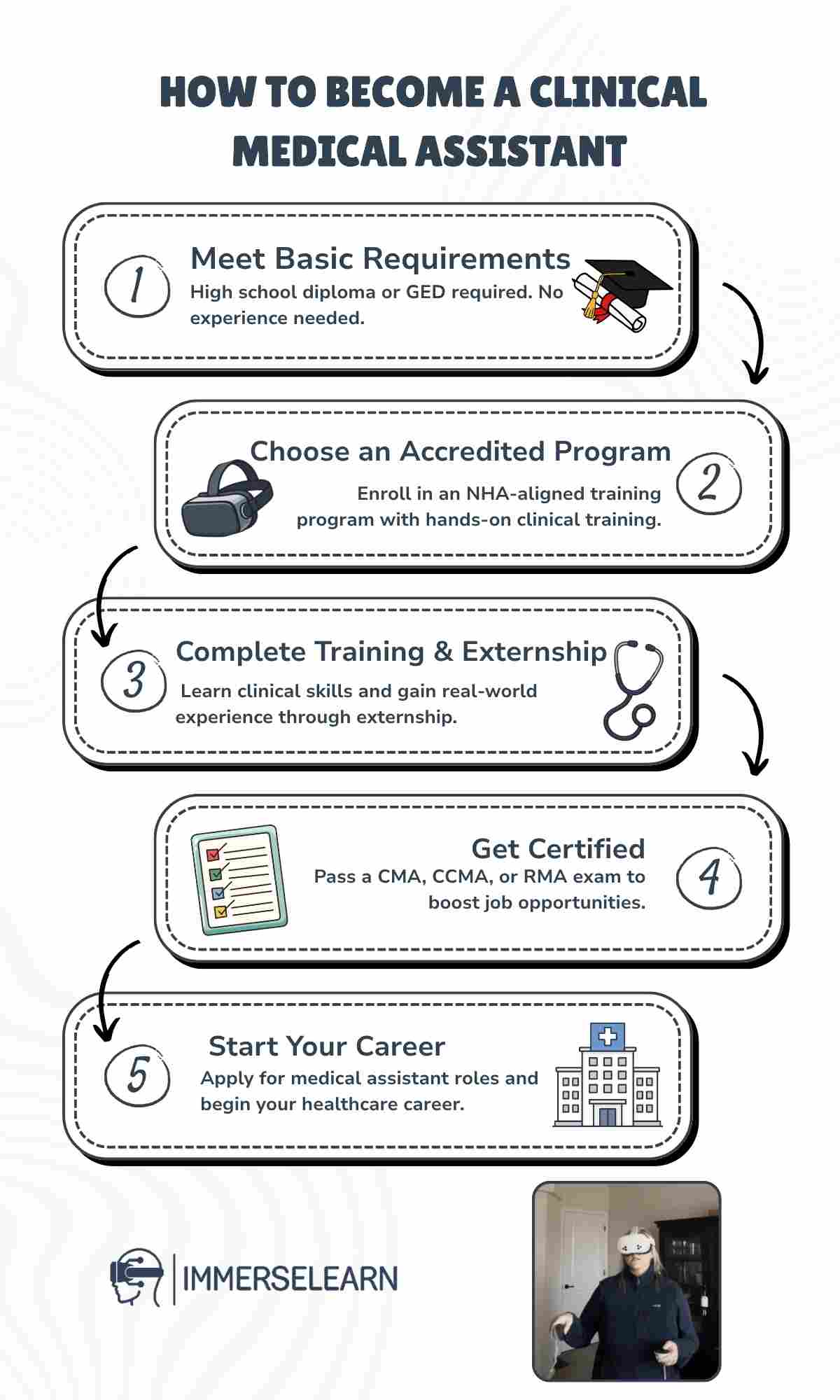
Step 1: Meet the Basic Entry Requirements
The basic requirement to start is a high school diploma or GED, with no prior healthcare experience needed.
Most accredited Clinical Medical Assistant training programs only require a high school diploma or GED for enrollment, with no need for a college degree or clinical background. Many programs also require applicants to be at least 18 years old.
If we have been delaying this path thinking we are not qualified, in most cases, we already meet the essential requirements.
Step 2: Choose an Accredited CMA Training Program
This step plays a key role in how quickly we can start our healthcare career. It is important to choose a program accredited by a recognized body like the NHA (National Healthcareer Association), as accreditation ensures the program meets industry standards and supports certification eligibility.
Types of Medical Assistant Training Programs:
A) Community college certificate programs that take 6 to 12 months and are classroom based
B) Vocational or trade schools with similar duration and strong local employer connections
C) Associate degree programs that take around 2 years and offer broader education
D) Online hybrid programs that combine flexible learning with hands-on clinical training
Some accelerated programs help learners enter the workforce faster through online coursework, simulation-based training, certification preparation, and externship support.
Before choosing a program, we should always verify accreditation and review key factors like externship support, certification preparation, and career services.
Step 3: Complete Your Coursework and Clinical Externship
Education is divided into academic instruction and hands-on clinical learning, aligned with standards from organizations like the National Healthcareer Association. Academic courses cover medical terminology, anatomy, pharmacology basics, infection control, HIPAA, and EHR documentation, all essential for daily work in healthcare settings.
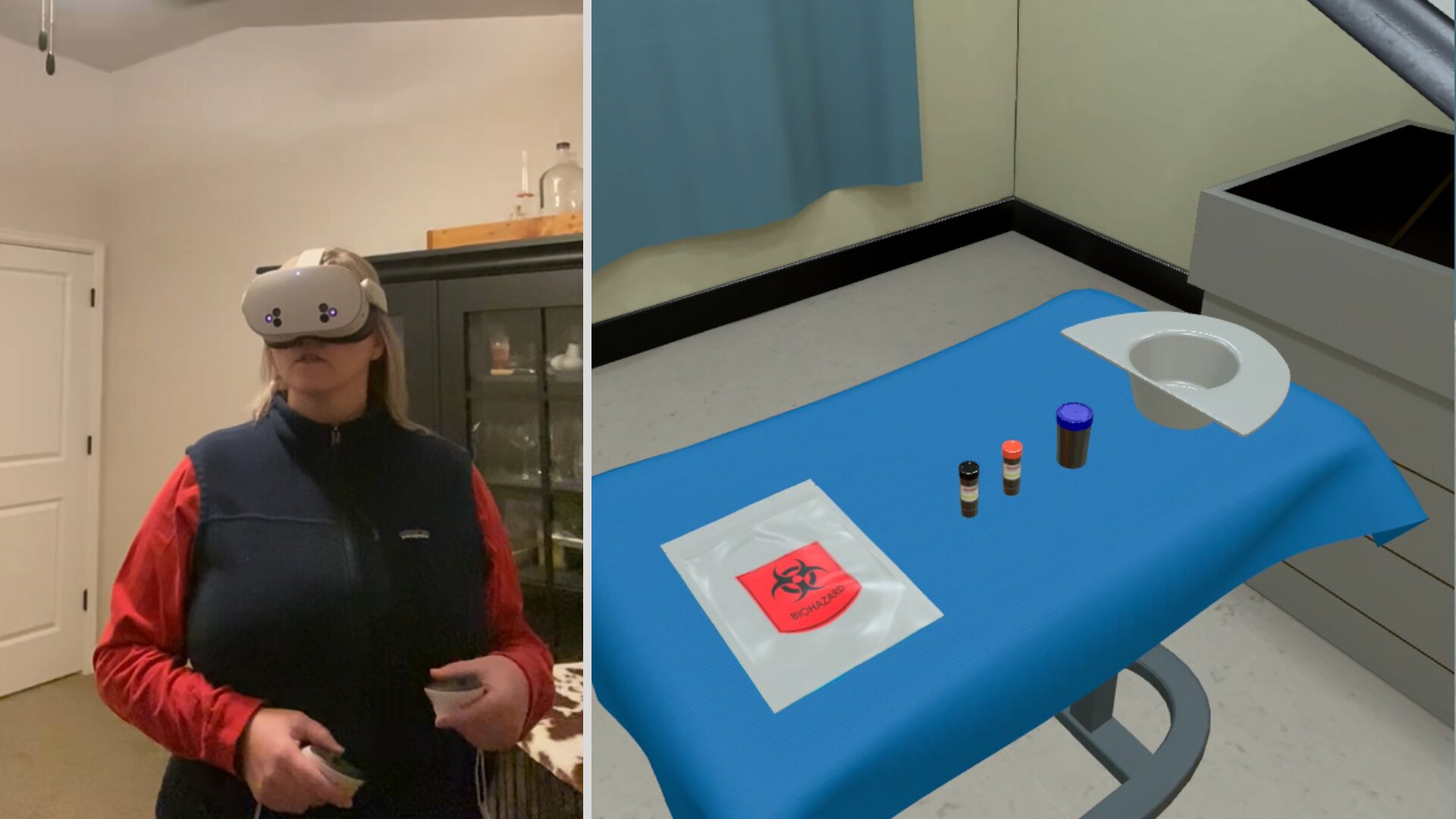
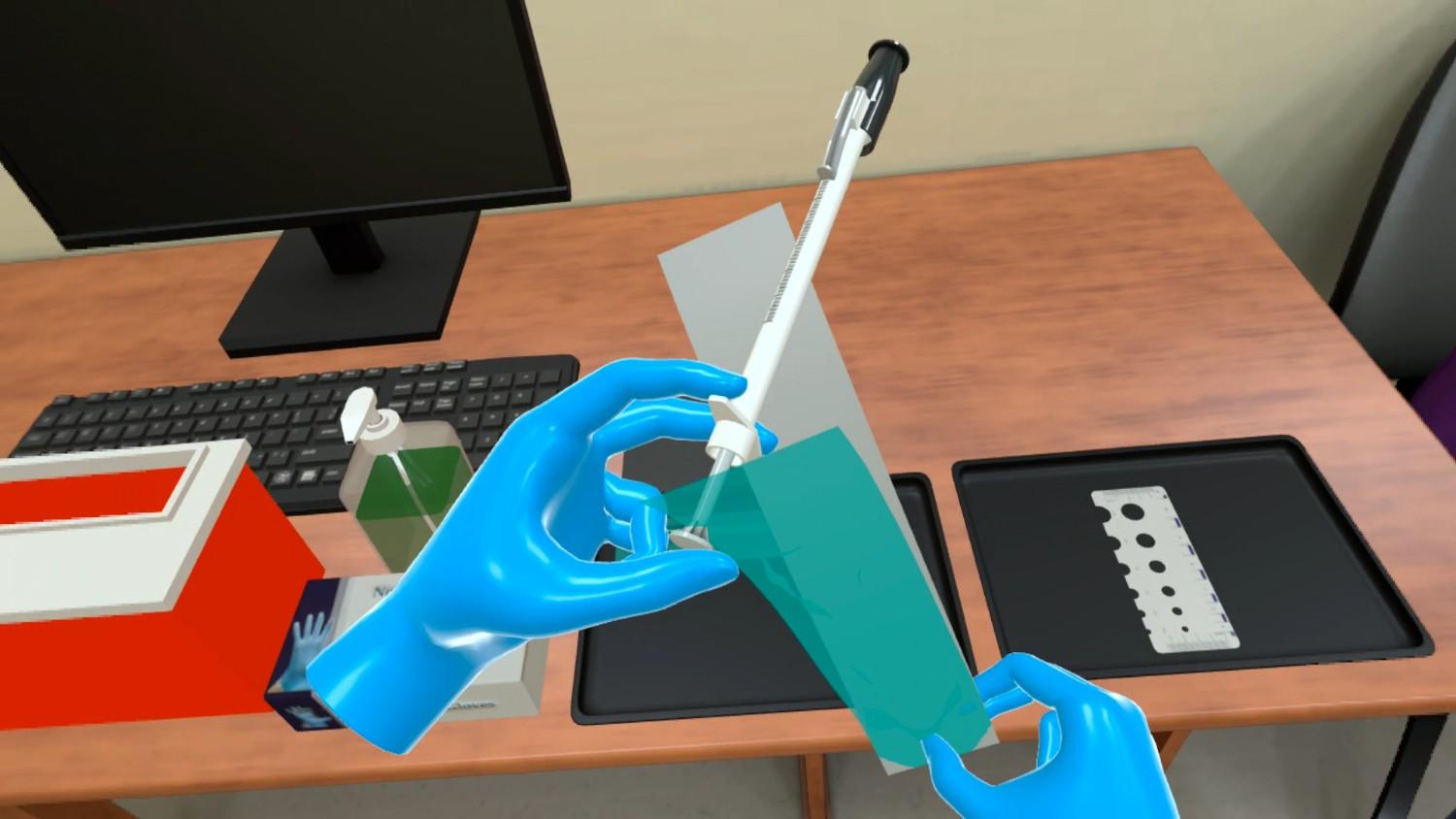
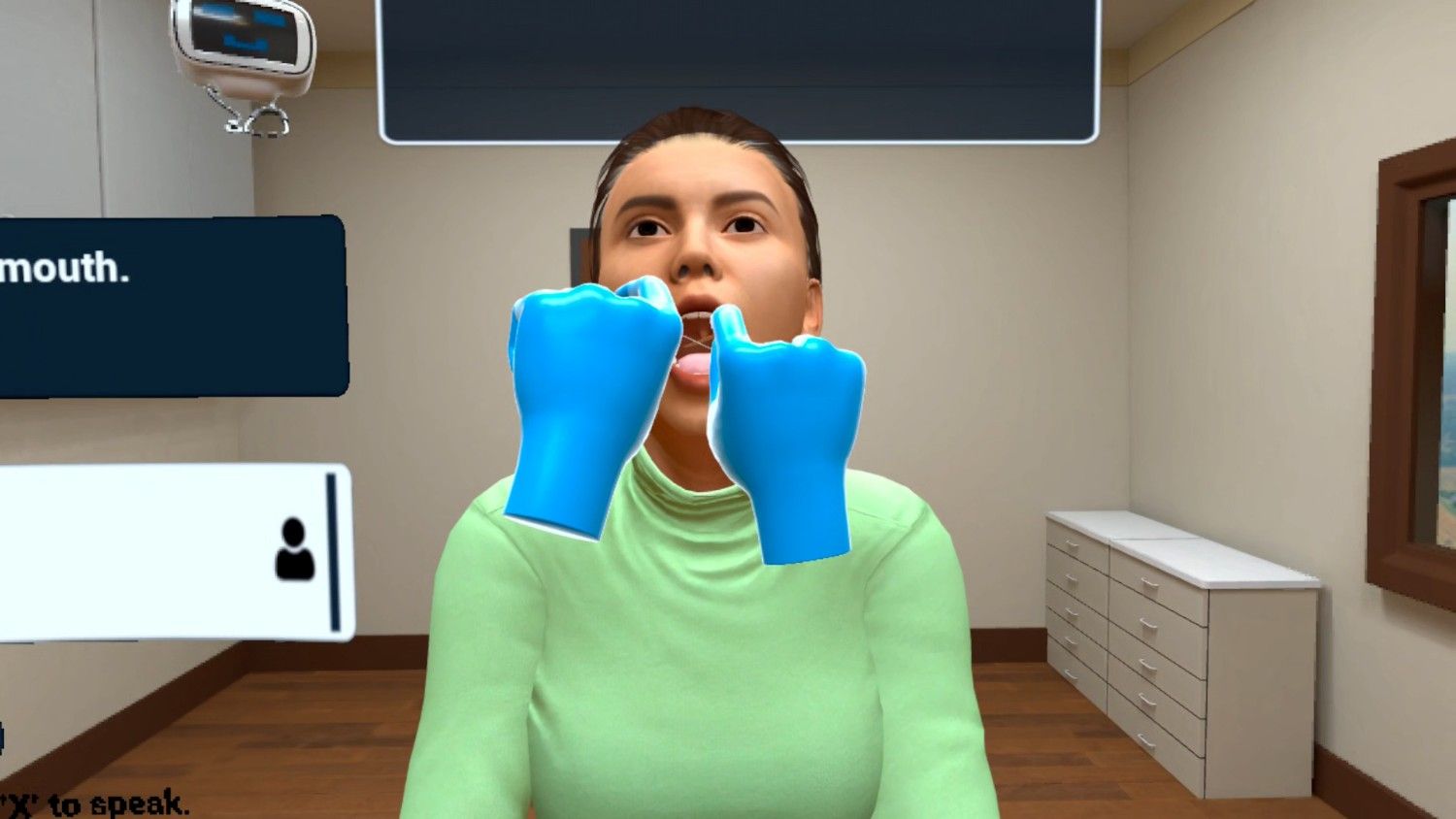
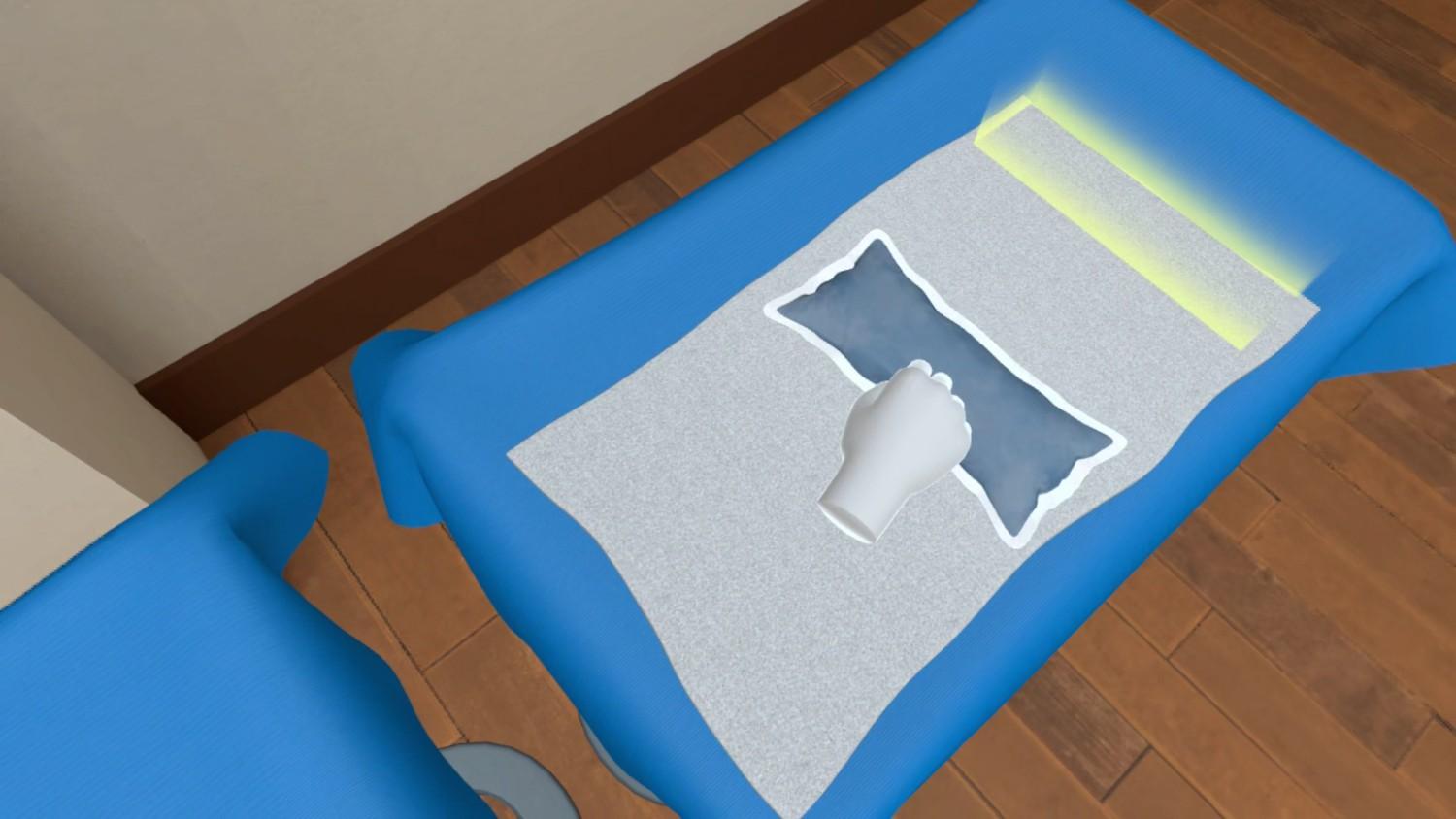
Practical experience emphasizes skill development. High-quality medical assistant programs use simulation-based exercises and VR learning to build confidence before entering real patient care environments.
The externship is required in accredited programs and includes supervised, in-person hours. It should be treated as a professional opportunity where performance and competence matter.
Real-World Example: From Training to Job-Ready
Many learners start with no prior healthcare experience. In one case, a student completed an accelerated program with online coursework, simulation-based learning, and a hands-on externship. By the end, they were confidently performing vital signs, EKGs, and phlebotomy in a real healthcare setting, leading to a job opportunity soon after. This shows how a structured Clinical Medical Assistant training program prepares individuals for real-world roles.
Step 4: Earn Your CMA Certification
While certification may not be legally required in every state, it plays an important role in improving job opportunities in the healthcare industry.
| Credentials | Issued By | Exam Length | Notes |
| CMA | AAMA | 200 questions | |
| RMA | AMT | 210 questions | |
| CCMA | NHA | 150 questions |
For many candidates, the CCMA certification from the National Healthcareer Association is a practical starting point due to its accessibility and relevance to entry level clinical roles. Preparation typically includes coursework, assessments, and hands-on clinical training.
Step 5: Apply for Jobs and Launch Your Career
After completing your training, you graduate with hands-on experience and a recognized certification, both essential for securing roles in the healthcare field.
i) Resume tips: Emphasize key skills such as phlebotomy, EKG, vital signs, injections, and EHR systems. Highlight externship experience, including patient volume, responsibilities, and healthcare environment.
ii) Job search: Explore positions like Medical Assistant, Clinical Medical Assistant, or Patient Support Technician across primary clinics, urgent care centers, and specialty practices.
iii) Interviews: Demonstrate confidence in your knowledge and practical abilities. Many programs provide career support services, including employer connections, externship placement, and interview preparation to accelerate hiring.
Timeline to Become a Certified Medical Assistant
One of the most common questions we have when considering a career as a Clinical Medical Assistant is how long the process takes. In most cases, we can enter the field within 4 to 12 months, depending on the medical assistant training program we choose.
|
Program Type |
Duration |
|
Community college certificate |
6–12 months |
|
Vocational / trade school |
6–12 months |
|
Accelerated online hybrid programs |
~20 weeks (≈5 months) |
|
Associate degree |
~2 years |
For those of us aiming to join the healthcare workforce quickly due to financial needs, career changes, or limited time, accelerated online hybrid programs offer the most efficient path.
Programs such as ImmerseLearn are designed to eliminate unnecessary delays while focusing on real clinical skill development. The shorter duration is not about reducing quality, but about delivering efficient, job focused medical assistant training that prepares us for real world patient care roles.
Clinical Medical Assistant Salary: What Can You Earn?
Average Salary for Clinical Medical Assistants
Understanding Clinical Medical Assistant salary is key when evaluating this career path. According to the U.S. Bureau of Labor Statistics Occupational Outlook Handbook, salaries typically range from $35,000 to $58,000 annually, with a median in the mid-$40,000s. With over 811,000 professionals employed nationwide, the field shows strong growth across the healthcare industry.
Given that medical assistant training takes months rather than years, this salary range offers strong value. Entry-level Clinical Medical Assistants usually start between $35,000 and $40,000, with earning potential increasing through experience and specialized clinical skills.
What Affects Your Salary as a CMA?
Several factors influence Clinical Medical Assistant salary, including work setting, location, experience, and certification.
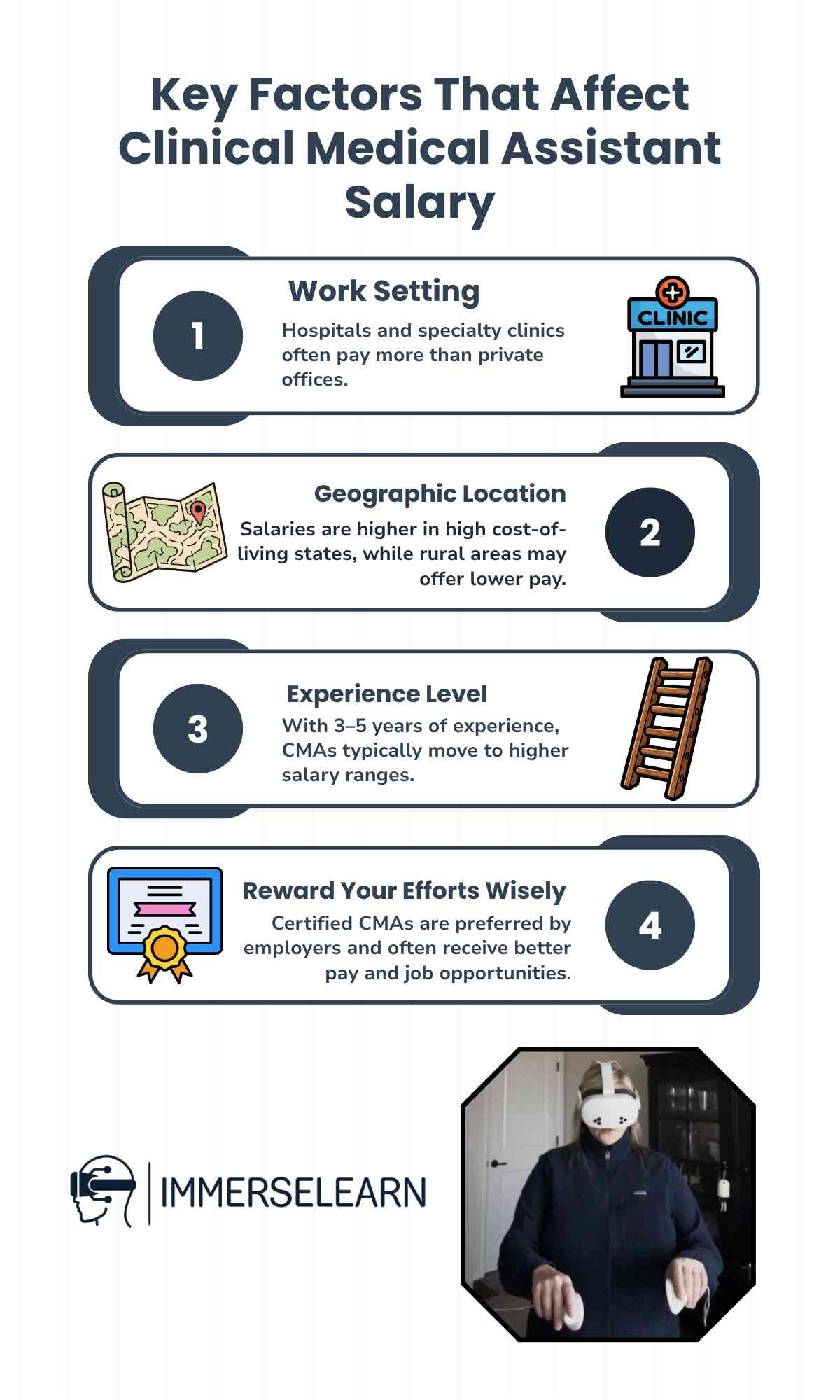
i) Work setting: Higher salaries are common in hospitals and specialty clinics such as cardiology, oncology, and dermatology, while private physician offices may offer slightly lower pay. Urgent care centers typically fall in between.
ii) Geographic location: Salaries are higher in states with a higher cost of living like California, Washington, and Massachusetts, while rural areas may offer lower compensation, though demand for healthcare professionals is helping close the gap.
iii) Experience level: With 3–5 years of experience, professionals can move into higher-paying roles as clinical experience and responsibilities increase.
iv) Certification status: Becoming a Certified Clinical Medical Assistant (CMA) improves job opportunities and earning potential, as employers prefer certified candidates for their validated knowledge, skills, and professional credibility.
Choosing the Right Clinical Medical Assistant Certification
i) CMA Certification Overview (AAMA):
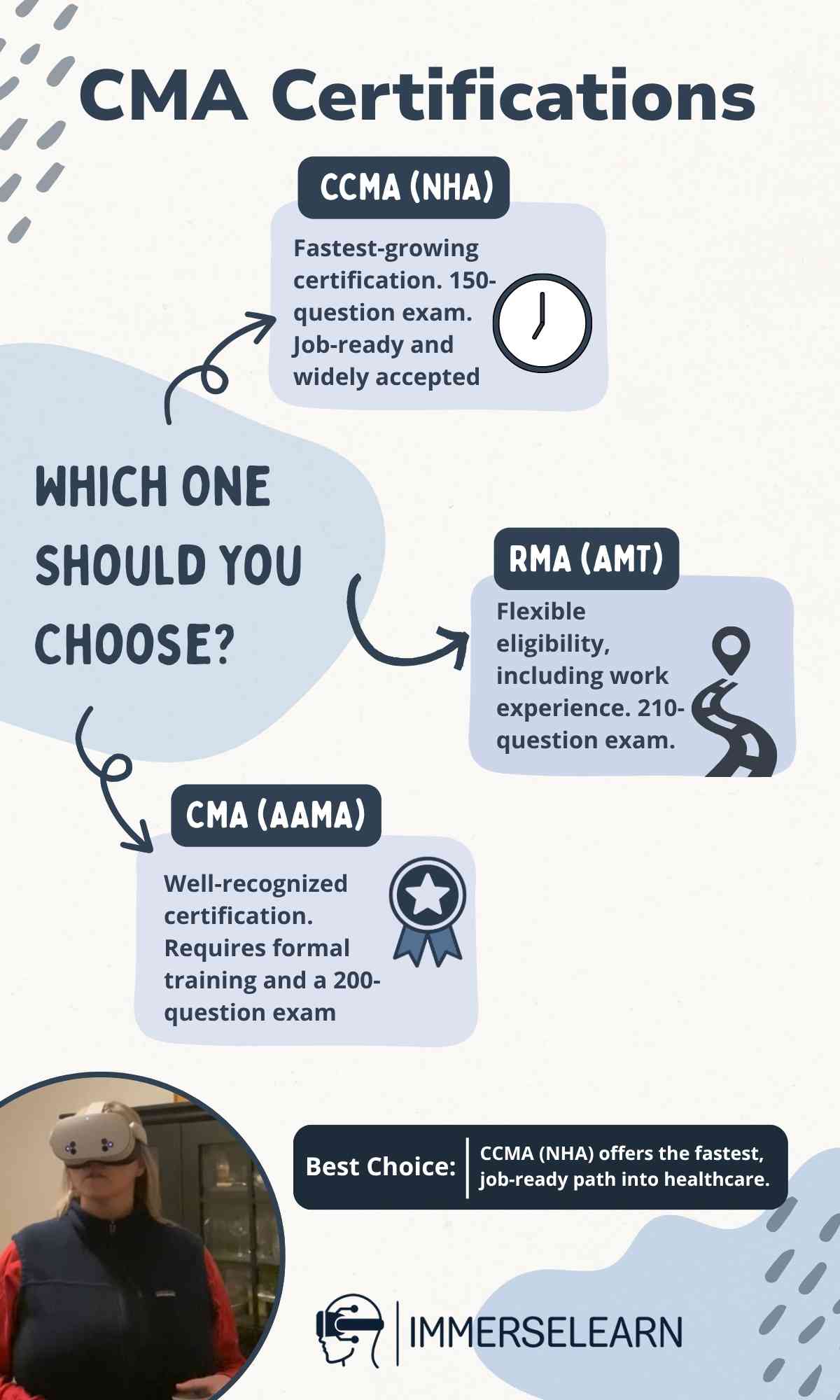
The CMA credential from the American Association of Medical Assistants (AAMA) is a highly recognized qualification in the healthcare industry. It requires completion of an accredited training program, passing a 200-question exam, and renewal every 60 months through continuing education or re-examination, making it ideal for strong employer recognition across healthcare settings.
ii) RMA Certification Overview (AMT):
The Registered Medical Assistant (RMA) from American Medical Technologists (AMT) offers flexible eligibility, including work experience pathways without an accredited program. It involves a 210-question exam and is well recognized in the assistant field, though slightly less universal than the CMA credential in some markets.
iii) CCMA Certification Overview (NHA):
The Certified Clinical Medical Assistant (CCMA) from the National Healthcareer Association (NHA) is a rapidly growing credential in the United States, widely accepted in outpatient clinics, urgent care centers, specialty practices, and hospital-affiliated settings. The 150-question exam with a 150-minute time limit is achievable with proper hands-on training and preparation.
For those seeking a faster, practical entry into the healthcare workforce, the CCMA pathway provides a streamlined, job-ready route while building essential skills for real-world patient support.
Essential Skills for Clinical Medical Assistant Success
To succeed as a Clinical Medical Assistant, a mix of hands-on abilities and soft skills is essential for effective care delivery. Core competencies include phlebotomy, measuring vital signs (blood pressure, temperature, pulse, respiratory rate, oxygen saturation), performing 12-lead EKG, administering injections, maintaining a sterile field, specimen handling, exam room preparation, and managing EHR documentation, all critical for daily operations in healthcare settings.
Equally important are interpersonal skills such as empathy, clear communication, cultural awareness, attention to detail, and staying calm under pressure. During procedures like blood draws, combining technical accuracy with reassurance helps build trust and improve outcomes. Together, these practical and interpersonal skills define a job-ready Clinical Medical Assistant and support long-term success in the healthcare industry.
Want to go deeper? Read more about essential Clinical Medical Assistant Skills.
Clinical Medical Assistant Challenges and Solutions
As we work toward becoming a Clinical Medical Assistant, facing challenges during the learning process is common.
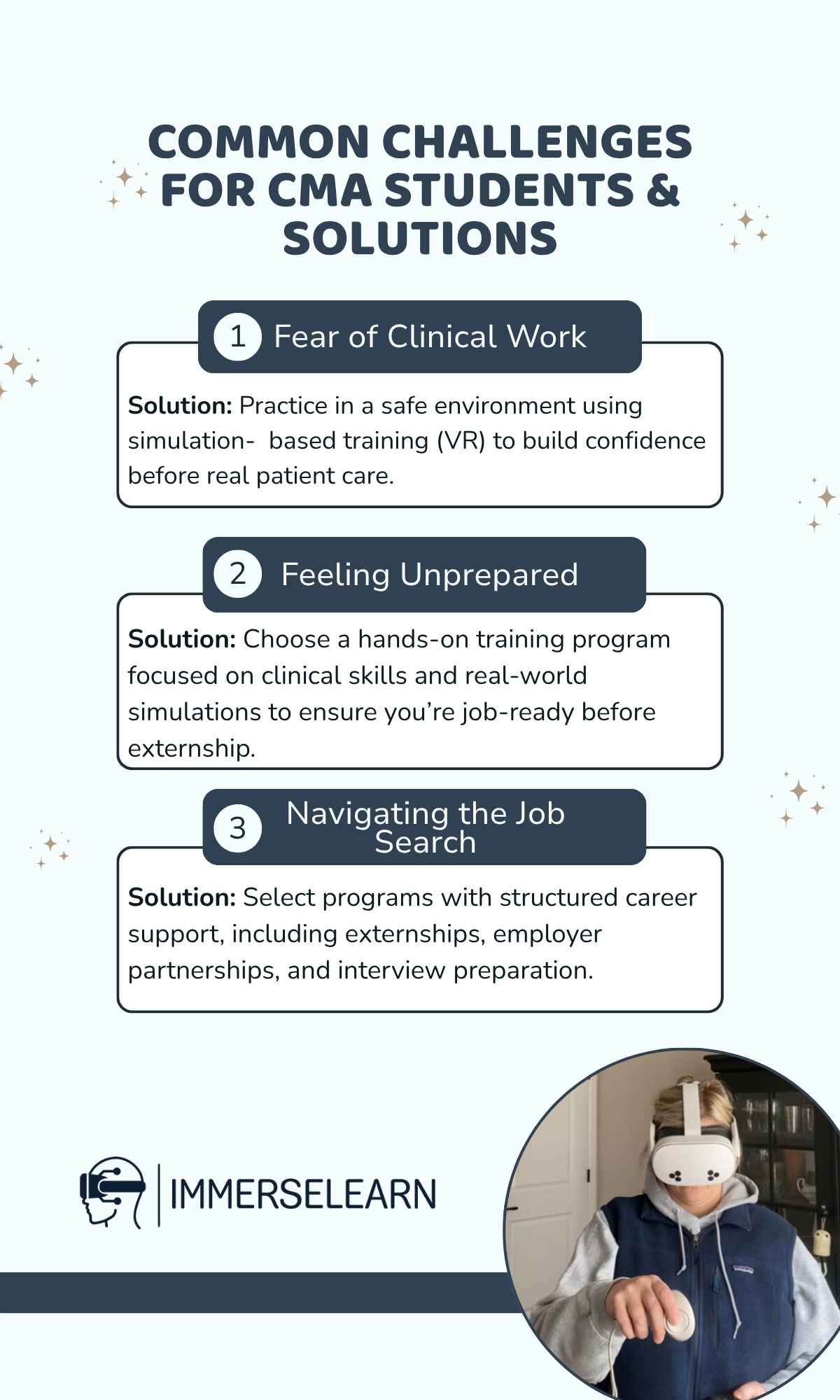
i) Fear of Clinical Work
Tasks like handling needles, performing blood draws, and managing patient care responsibilities can feel overwhelming initially.
How to Overcome:
Confidence builds through hands-on training in a controlled learning environment. Simulation-based training, including VR training, allows practice of clinical procedures before entering a real healthcare setting. With consistent practice, skills improve, leading to greater confidence and control during real-world procedures.
ii) Feeling Unready as a Medical Assistant
This challenge often arises when medical assistant training programs focus heavily on theory, such as videos and quizzes, with limited clinical skills development.
How to Overcome:
Choose a program that prioritizes hands-on clinical skills training and real-world simulations. Proper preparation before a clinical externship ensures readiness for real healthcare responsibilities and builds confidence in a clinical setting.
iii) Navigating the Job Search
Starting a career in the healthcare industry without guidance or connections can feel overwhelming.
How to Overcome:
Choose medical assistant training programs that offer career support services, including externship placement, employer connections, and interview preparation. This structured support makes the job search more organized, practical, and achievable.
Medical Assistant Career Growth and Opportunities
A Clinical Medical Assistant (CMA) career provides a strong entry into the healthcare industry with excellent long-term growth. With experience, professionals can move into high-demand specialties such as cardiology (EKG proficiency), dermatology, oncology, pediatrics, and ophthalmology, offering enhanced practical skills and higher earning potential.
Advancement includes roles like Lead CMA, Senior Associate, and Medical Office Manager, with opportunities to develop leadership and operational expertise. Many also transition into roles such as Licensed Practical Nurse (LPN), Registered Nurse (RN), or Physician Assistant (PA) by leveraging real-world patient support experience.
Through continuing education, certifications, and skill development, CMAs can achieve a stable, high-growth path in a high-demand healthcare field.
Frequently Asked Questions
Q1) How do you become a CMA?
Ans. Earn a high school diploma or GED, complete an accredited training program, gain hands-on externship experience, and obtain a recognized certification such as CCMA to launch your healthcare journey.
Q2) How long does it take to enter this field?
Ans. Most individuals can begin working in 4 to 12 months, depending on the program. Accelerated courses can finish in about 20 weeks, while associate degrees may take up to 2 years.
Q3) Do you need a degree to become a Clinical Medical Assistant?
Ans. No, most candidates enter through certificate or diploma-based programs focused on practical skills and job readiness.
Q4) Is certification required for Clinical Medical Assistants?
Ans. Certification is not legally required but is highly valued by employers. Earning a CCMA credential improves job opportunities and salary potential.
Q5) What is the fastest path to enter the healthcare workforce?
Ans. An accelerated, accredited program that combines online lessons, hands-on experience, and an in-person externship can be completed in about 20 weeks.
Q6) Can you become a Clinical Medical Assistant with no experience?
Ans. Yes, no prior healthcare experience is required. Programs teach essential clinical skills like phlebotomy, EKG, vital signs, and patient care.
Q7) Can this training be completed online?
Ans. Coursework can be done online, but practical training requires an in-person externship in a healthcare setting.
Q8) What does a Medical Assistant do daily?
Ans. Daily duties include taking vital signs, performing blood draws, administering injections, assisting physicians, conducting EKGs, and updating electronic health records.
Conclusion:
We have two choices when considering a career in the healthcare industry, either continue believing it requires years of education and high costs, or choose a practical path into real patient support within months. Becoming a Clinical Medical Assistant offers a low barrier to entry, strong job demand, and meaningful patient interaction without a four-year degree or prior experience.
With the right training program, solid hands-on skills, and a clear step-by-step approach, we can progress from learning to certification and enter the healthcare workforce faster than traditional career paths. This pathway is structured, achievable, and designed for long-term success.
The key difference comes down to action, so are we ready to start our journey toward becoming a certified medical professional today?